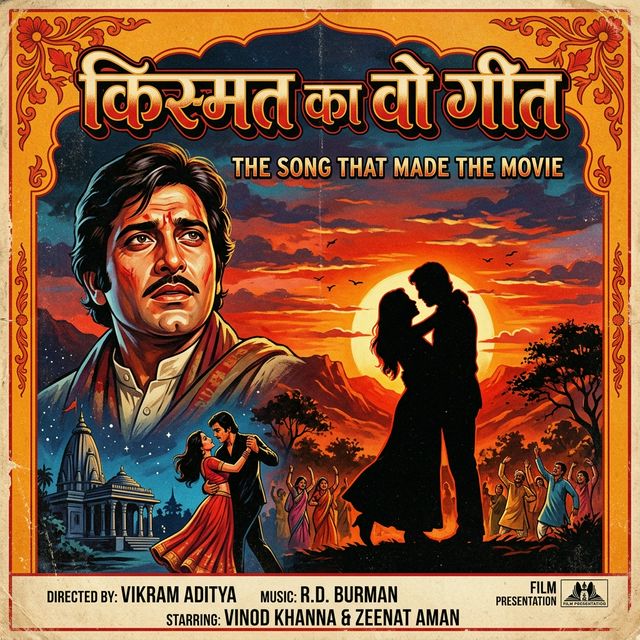
The Song That Made the Movie: The Aashiqui Phenomenon
In 1990, a low-budget romantic musical released with two fresh faces under the Rahul Roy and Anu Aggarwal. But as history recalls, the real "stars" of Aashiqui were Nadeem-Shravan. Their melodies didn't just support the film; they practically were the film. The soundtrack sold over 20 million copies, a record that remains a high-water mark for Hindi cinema.
The marketing of the film was unprecedented—Bhatt didn't show the actors' faces in the posters, only their silhouettes under a coat. This mystery, combined with Kumar Sanu's velvety voice in "Ab Tere Bin" and "Saanson Ki Zaroorat Hai," created a frenzy. Audiences entered theaters not for the plot, but to live through the songs they had been hearing on every radio station in India.
"Aashiqui didn't just sell tickets; it sold an era of romance. It proved that in Bollywood, music isn't just an accessory—it's the heartbeat of the narrative."
Why does this happen? Because music compresses feeling into melody and repetition. When Gulshan Kumar of T-Series decided to back this project, he wasn't just producing a movie; he was producing a sonic revolution. The best examples are those where the song and film amplify each other: the track makes the scenes sing, and the scenes make the lyrics real.
Quick takeaway: when a soundtrack and story click, the song doesn't just sell the movie — it becomes the very soul of its cultural legacy.